
Ledger® Live: Desktop® — Getting Started | official Ledger™
Manage your digital currencies with Ledger Live Desktop, featuring an intuitive interface for portfolio tracking, account organization, device management, and secure crypto operations anytime.
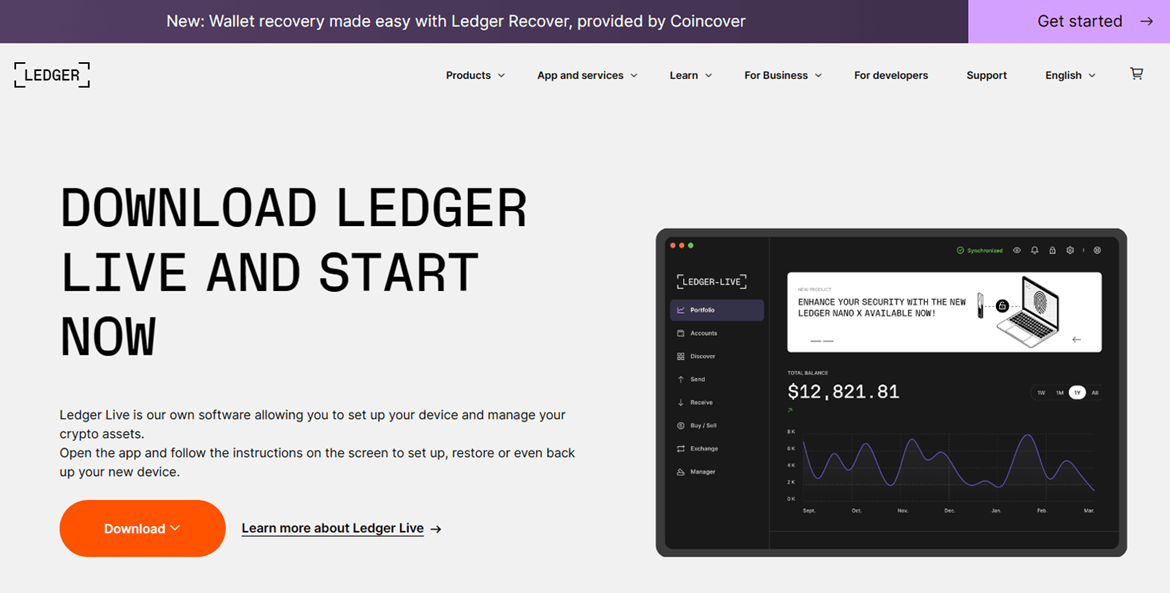
Ledger Live Desktop: A Beginner-Friendly Guide to Crypto Wallet Management
Managing cryptocurrency requires reliable software that can work smoothly with secure hardware devices. Ledger Live Desktop is a widely recognized desktop wallet application designed for users who connect Ledger hardware wallets to their computers. It provides a convenient way to view accounts, manage supported digital assets, review transactions, and organize cryptocurrency activity from one place.
For beginners, understanding how Ledger Live Desktop works can make the wallet experience easier and more structured.
What Is Ledger Live Desktop?
Ledger Live Desktop is the computer-based version of Ledger’s wallet management software. It works together with compatible Ledger hardware wallets to help users interact with their cryptocurrency accounts.
The application provides access to essential wallet functions, including checking balances, managing accounts, reviewing transaction history, and installing supported applications.
Unlike a traditional software-only wallet, Ledger Live Desktop is designed to work with a physical hardware device that helps keep important wallet operations under the user’s control.
Why Use Ledger Live Desktop?
A desktop wallet application can offer a comfortable experience for users who prefer managing their cryptocurrency from a computer. The larger screen makes it easier to navigate accounts, review details, and monitor portfolio activity.
With Ledger Live Desktop, users can access multiple wallet features without depending on several unrelated platforms. The application provides a centralized dashboard where supported assets and account information can be viewed.
The hardware wallet connection adds another step of verification when users perform important actions.
Starting With Ledger Live Desktop
Before installing any cryptocurrency wallet application, users should confirm that they are using a legitimate source. Downloading wallet software from unofficial websites can create unnecessary security risks.
To begin, access the official Ledger resources and download the appropriate desktop application version. Avoid files shared through unknown links, advertisements, or suspicious messages.
After installation, open the application and follow the instructions for connecting a compatible Ledger hardware wallet.
Setting Up the Application
Once Ledger Live Desktop is installed, users can connect their Ledger device and complete the required setup steps. The process may differ depending on the hardware wallet model and current software version.
During setup, carefully read each instruction shown by both the application and the hardware device. The physical device plays an important role because sensitive actions should be confirmed directly through the wallet.
Taking time during setup can help users understand how their wallet works.
Managing Cryptocurrency Accounts
One of the main purposes of Ledger Live Desktop is account management. Users can create and organize supported cryptocurrency accounts, view balances, and review previous transactions.
For individuals managing multiple digital assets, having a single dashboard can make tracking activity more convenient. Users can monitor their holdings and keep better awareness of their wallet activity.
Regular account reviews can also help identify unfamiliar transactions or unexpected changes.
Sending and Receiving Digital Assets
Ledger Live Desktop allows users to manage supported cryptocurrency transfers. When receiving funds, users should verify the receiving address before sharing it with another party.
When sending cryptocurrency, accuracy is essential. Always review the destination address, asset type, network, amount, and transaction fees before confirming.
The connected Ledger device provides an additional confirmation step. Users should carefully compare the transaction information shown on the device before approving.
Keeping Your Recovery Information Safe
Recovery information is one of the most important parts of a self-custody wallet. Users should store their recovery phrase securely and keep it completely private.
Never share recovery details with another person, even if they claim to represent wallet support. Avoid storing recovery information digitally through screenshots, cloud storage, emails, or online notes.
A legitimate wallet service should not ask users to reveal private recovery information.
Avoiding Common Crypto Scams
Cryptocurrency users should remain cautious of phishing attempts and fake wallet services. Scammers may create websites or messages that look professional while attempting to steal confidential information.
Always verify website addresses before entering information. Do not install wallet software from unknown sources or follow instructions from unexpected support messages.
Good security habits are essential for protecting digital assets.
Keeping Ledger Live Desktop Updated
Software updates can provide improvements, compatibility changes, and additional features. Users should keep their Ledger Live Desktop application updated through official Ledger channels.
Avoid downloading update files from third-party websites, as they may contain unsafe software.
Regular maintenance helps ensure a smoother wallet experience.
Conclusion
Ledger Live Desktop provides a practical desktop environment for users who want to manage cryptocurrency alongside a Ledger hardware wallet. With features for account organization, transaction review, and asset monitoring, it helps simplify everyday wallet activities.
A secure crypto experience depends on both technology and user awareness. By downloading software from official sources, protecting recovery information, checking transactions carefully, and staying alert to scams, users can make better use of Ledger Live Desktop while maintaining responsible wallet management practices.
Updated about 6 hours ago